

PETRA YVONNE ENGLISH
Mass Media
Maybe we can imagine our life without newspapers and magazines, but we cannot imagine
our life without radio, television, and the Internet. These media reach a very large audience and are therefore called mass media. First of all, they serve as sources of information. We can learn about the world around us, important events, new technologies, and inventions.
They have several principal functions:
- to inform
- to educate
- to entertain
- to influence
- to advertise
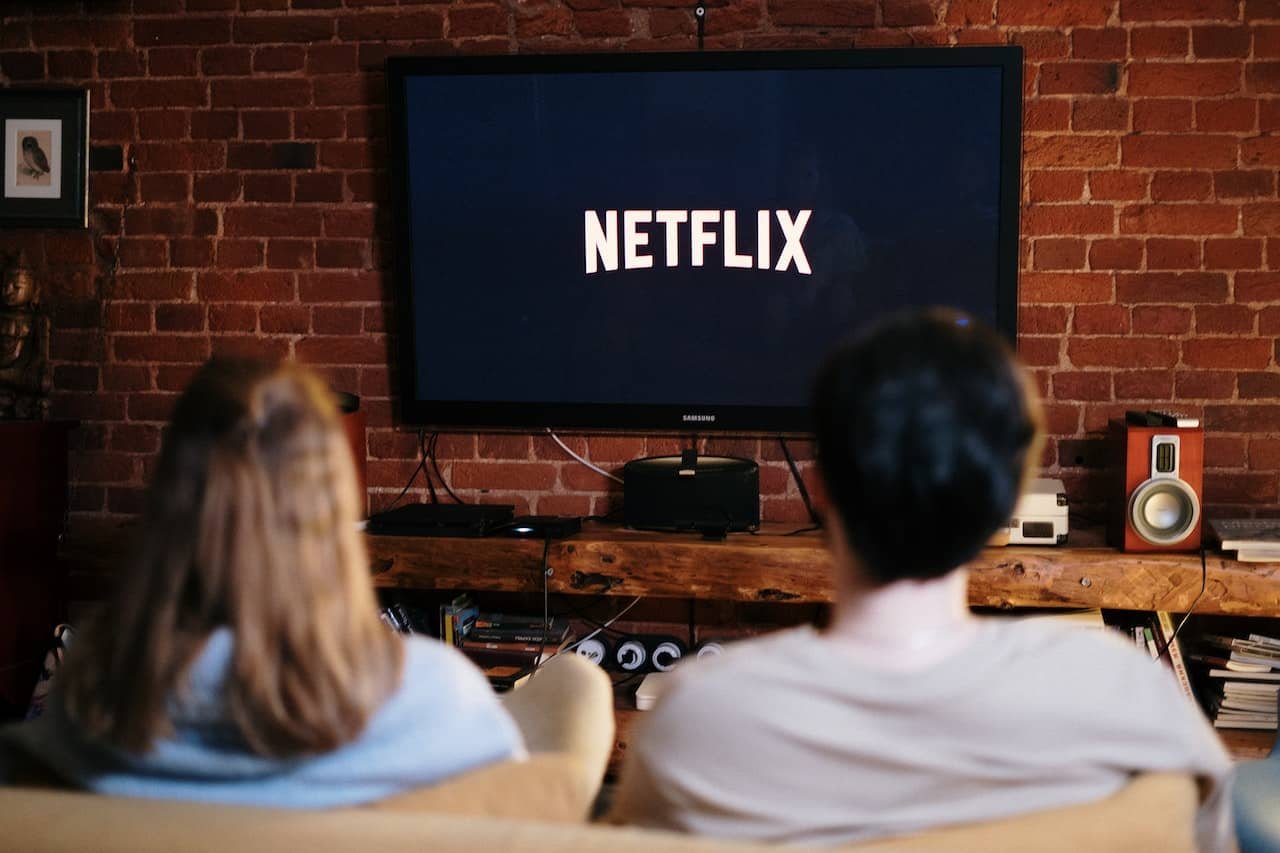
TELEVISION
Pros of television
- There is a wide choice of TV channels, so everyone can choose what they want to see.
- It broadcasts 24 hours a day.
- It provides different programmes:
- Documentary programmes – they take us to places we would never have a
chance to see and experience. - Political news – foreign or home news. Most people follow national and world
news regularly to be well-informed. In the case of catastrophes, such as
earthquakes or terrorist attacks, many channels broadcast breaking news. - Economic news
- Discussions – about current affairs
- Interviews – with prominent people
- Sports programmes – live streams or recorded footage
- Talk shows
- Soap operas (soaps) – romantic, never-ending stories about people’s lives.
They are dramatic, exciting, and sometimes hard to believe. - Series – have several seasons, and each season has a few episodes. The same characters appear in different situations.
- Fairy tales and bedtime stories for children
- Cooking shows
- Reality TV shows
- TV contests, quizzes, and travel programmes are very popular too
Foreign-language films on Slovak TV channels are mostly dubbed or sometimes subtitled.
There are commercial stations such as TV Markíza and TV Joj, and a public television –
Slovak Television.
Dangers of watching TV
- TV is undoubtedly losing its position among the mass media. People prefer watching
videos, series, and films on the Internet. - TV addicts are known as “couch potatoes” – people who spend too much time
watching TV. This can cause health problems (eyesight damage, backache,
headaches…). - Excessive watching reduces time for doing sports, developing hobbies, and reading
books. - Overeating in front of the TV – people often eat unhealthy snacks while watching,
which can lead to obesity. - TV is sometimes used by parents as “an electronic babysitter” for their children,
resulting in a lack of communication among family members. - Inappropriate programmes can have a negative impact on children. These programmes
are often full of violence, blood, and weapons. Children are not able to distinguish
between reality and fiction, which can cause mental problems and aggression. - TV commercials are annoying and intrusive because they interrupt the programme.
QUIZ TIME 1
- What are mass media and what are their main functions?
- List at least three advantages of television.
- What types of programmes can you watch on TV? Give at least five examples.
- What is a soap opera and why is it popular?
- Explain what a TV series is and its structure.
- What are the dangers of watching too much television?
- What does the term “couch potatoes” mean?
- How can TV affect children’s development and family communication?
- How are foreign films usually shown on Slovak TV channels?
- Give examples of programmes that broadcast breaking news.
- Why is television losing its position among mass media?
PRESS/PRINT MEDIA
Printed media compete with electronic media. Nevertheless, most people in our country still
buy a daily, weekly, or monthly newspaper. They read it while having breakfast, at the bus
stop, or while traveling by bus, train, or tram.
The newspapers can be divided into:º
- The quality newspapers = serious press = BROADSHEETS
- The popular newspapers = TABLOIDS
- LOCAL NEWSPAPERS
- MAGAZINES
1. BROADSHEETS / The quality press
The information here should be accurate, serious, and objective.
- The front page has the main political news and a leading article with a picture.
- The next pages show home news, foreign news, culture, and economic news.
- Other pages have TV guides, cartoons, competitions, sports results, and some
advertisements.
Famous British newspapers: The Times, The Daily Telegraph, The Guardian
Famous Slovak newspapers: Sme, Pravda, Hospodárske noviny
2. TABLOIDS / The popular press
Tabloids try to attract readers with:
- Detailed crime stories
- Scandals
- Misfortunes
- Gossip about well-known people
The headlines are large, and the articles are short and not very serious. They cannot always be trusted and contain many big pictures. A lot of space is devoted to advertising.
Famous British tabloids include The Mirror and The Sun
Best-selling Slovak tabloids are Plus 1deň and Nový čas
3. LOCAL PRESS
Local newspapers focus on a certain region of the country. They report on local events and
interests that happened in the region during the past week.
Examples of Slovak local newspapers: My Orava, Naša Orava, Oravsko
4. MAGAZINES
There are many types of magazines:
- Women’s magazines
- Teenage magazines
- Children’s magazines
- Computer magazines, comics
- Sports magazines, music magazines, and more
Magazines are published weekly, fortnightly (every two weeks), or monthly.
Disadvantages of reading newspapers:
- They contain a lot of advertisements.
- The print is small.
- They are more expensive than news on the Internet.
QUIZ TIME 2
- Name the four main types of printed media.
- What are broadsheets and what kind of information can you find in them?
- Name some famous British and Slovak quality newspapers.
- What is a tabloid and how does it try to attract readers?
- What are the typical features of tabloids? Name some famous British and Slovak
tabloids. - What is the focus of local newspapers? Give examples of Slovak local newspapers.
- What types of magazines exist? Give at least five examples.
- How often are magazines published?
- List some disadvantages of reading newspapers compared to the Internet.
RADIO
Compared to TV, radio has some advantages:
- You can listen anywhere (in your car, at work, or at home)
- It is free
Most of us switch on the radio immediately after waking up to hear:
- The time signal
- Morning news
- Press opinions
- Weather forecasts
- Music
Radio also informs about accidents on the roads, traffic jams, tailbacks, diversions, and speed radars.
There are many radio stations in Slovakia. They can be divided into two groups:
- State / Non-commercial: Slovensko, Devín, Regina
- Private / Commercial: Fun Radio, Radio Europa, Radio Express
QUIZ TIME 3
- What are the main advantages of radio compared to TV?
- When do most people switch on the radio and why?
- Name at least three things people can hear on the radio in the morning.
- How are radio stations divided in Slovakia? Give examples of state and private
stations.
THE INTERNET
The Internet has changed the way we study, work, have fun, and communicate.
- We do not need encyclopaedias or dictionaries to find information.
- It is an international network of computers.
Functions of the Internet:
- Informative – we can find news and information quickly
- Educational – we can learn and study online
- Entertaining – we can watch videos, play games, or listen to music
News is updated all day. Almost every user has their own email, and we can send messages, chat, or communicate in real time. The Internet is used for both work and fun.
History:
- The Internet began for military purposes
- It started in 1969
- In the 1980s, it was called the “Internet”
Pros / Advantages of the Internet:
- Fast and convenient – immediate access to current information; everything is available online
- Distance learning – especially useful during the pandemic
- Unlimited communication – constant contact with people via social networking sites
such as Instagram, TikTok, and Twitter - It can serve as both TV and radio
Online services users can use:
- Online shopping – cheaper and more convenient than shopping in physical stores
- Booking services – hotels, plane tickets, concert tickets, holidays, etc.
- Money transfer / Internet banking – manage finances easily
- Information – download all sorts of information
- Communication – send documents and use email
- News – read newspapers online
- Social / Dating – find a life partner
Disadvantages of the Internet:
- Unreliable information – fake news / hoaxes; not all sources are trustworthy
- Computer viruses – can harm your computer
- Internet safety risks – personal and financial information may be stolen
- Social isolation – spending too much time online can reduce communication with
family and friends; it prevents face-to-face interaction - Internet addiction – too much screen time can cause problems with eyesight and the
spine - Bad habits – such as eating in front of the computer
- Violence online / cyberbullying
- Pseudo-idols – fake idols or unrealistic role models
Ján Kuciak was an investigative journalist from Slovakia. He wrote reports about corruption,
fraud, and connections between politicians and businesses. Ján Kuciak and his girlfriend Martina Kušnírová were killed for his work in 2018. His work showed the important role of mass media in informing the public and helping society stay honest.
QUIZ TIME 4
- What are the main functions of the Internet and its uses?
- Give three examples of online services that people can use via the Internet.
- What are the main disadvantages or dangers of the Internet?
- When did the Internet begin and what was its original purpose?
- Who was Ján Kuciak and what did he investigate?
- Why were Ján Kuciak and his fiancée killed?
- What does his work show about the role of mass media in society?
Vocabulary
1. provide [prəˈvaɪd] skposkytnúť
2. entertainment [ˌɛntəˈteɪnmənt] skzábava
3. entertain [ˌɛntəˈteɪn] skzabávať
4. commercial [kəˈmɜːʃəl] skreklama v TV
5. ad [æd] / advertisement [ədˈvɜːtɪsmənt] / advertising [ˈædvətaɪzɪŋ] skreklama
6. dubbed [dʌbd] skdabovaný
7. subtitles [ˈsʌbˌtaɪtlz] sktitulky
8. breaking news [ˈbreɪkɪŋ njuːz] skmimoriadne správy
9. podcast [ˈpɒdkɑːst] skinternet.forma rádio vysielania
10. watchable [ˈwɒʧəbᵊl] skna čo sa dá pozerať (pozerateľný)
11. home/domestic news [həʊm / dəʊˈmɛstɪk njuːz] skdomáce správy
12. foreign/international news [ˈfɒrɪn / ˌɪntəˈnæʃᵊnᵊl njuːz] skzahraničné správy
13. announcer [əˈnaʊnsə] skhlásateľ v TV,rozhlase
14. presenter [prɪˈzɛntə] skmoderátor
15. broadcast [ˈbrɔːdkɑːst] skvysielať, vysielanie
16. remote control [rɪˈməʊt kənˈtrəʊl] skdiaľkové ovládanie
17. well-informed [wɛl-ɪnˈfɔːmd] skdobre informovaný
18. couch potato [kaʊʧ pəˈteɪtəʊ] sktelevízny maniak
19. mouse potato [maʊs pəˈteɪtəʊ] skPC maniak
20. tabloid [ˈtæblɔɪd] skbulvár
21. reliable source [rɪˈlaɪəbᵊl sɔːs] skspoľahlivý zdroj
22. viewer [ˈvjuːə] sktelevízny divák
23. spectator [spɛkˈteɪtə] skšportový divák
24. audience [ˈɔːdiəns] skobecenstvo, diváci v divadle
25. eyesight [ˈaɪsaɪt] skzrak
26. post [ˈaɪsaɪt] skuverejniť, pridať

27. broadsheets [ˈbrɔːdʃiːts] skseriózna tlač
28. local newspapers [ˈləʊkəl ˈnjuːzˌpeɪpəz] skmiestne noviny
29. article [ˈɑːtɪkl] skčlánok
30. influential [ˌɪnflʊˈɛnʃəl] skvplyvný
31. report [rɪˈpɔːt] skspráva
32. stay in touch [steɪ ɪn tʌʧ] skzostať v kontakte
33. abroad [əˈbrɔːd] skcudzina, v cudzine, do cudziny
34. efficient [ɪˈfɪʃənt] skúčinný , efektívny
35. appear [əˈpɪə] skzjaviť sa , objaviť sa
36. newsagent [ˈnjuːzˌeɪʤᵊnt] sknovinový stánok
37. Internet addiction [ˈɪntəˌnɛt əˈdɪkʃᵊn] skzávislosť na nete
38. influence [ˈɪnflʊəns] skvplyv, ovplyvniť
39. contain [kənˈteɪn] skobsahovať
40. documentary [ˌdɒkjʊˈmɛntəri] skdokumentárny film
41. latest news [ˈleɪtɪst njuːz] sknajnovšie správy
42. footage [ˈfʊtɪʤ] skzáznam (TV)
43. live coverage [lɪv ˈkʌvərɪʤ] skpriamy prenos (TV)
44. TV guide [ˌtiːˈviː ɡaɪd] skprehľad TV programov
45. publisher [ˈpʌblɪʃə] skvydavateľ
46. review [rɪˈvjuː] skkritika, recenzia
47. sitcom [ˈsɪtˌkɒm] sksituačná komédia
48. soap opera [səʊp ˈɒpərə] sktelenovela
49. channel surfing [ˈʧænl ˈsɜːfɪŋ] skprepínanie kanálov
50. current affairs [ˈkʌrənt əˈfeəz] skaktuálne udalosti
51. foreign affairs [ˈfɒrɪn əˈfeəz] skzahraničné udalosti

52. lack of [læk ɒv] sknedostatok…
53. series [ˈsɪəriːz] sktelevízny seriál
54. prime time [praɪm taɪm] skhlavný vysielací čas
55. quiz show [kwɪz ʃəʊ] skkvíz
56. update [ʌpˈdeɪt] skaktualizovať
57. violence [ˈvaɪələns] sknásilie
58. weather forecast [ˈwɛðə ˈfɔːkɑːst] skpredpoveď počasia
59. access to [ˈæksɛs tuː] skprístup k…
60. live stream [laɪv striːm] skživé vysielanie
61. biased [ˈbaɪəst] skneobjektívny
62. gift voucher [ɡɪft ˈvaʊʧə] skdarčeková poukážka
63. weekly [ˈwiːkli] sktýždenník
64. monthly [ˈmʌnθli] skmesačník
65. daily [ˈdeɪli] skdenník
66. pick up a signal [pɪk ʌp ə ˈsɪɡnl] skzachytiť signál
67. headlines [ˈhɛdlaɪnz] sknovinové titulky
68. the headlines [ðə ˈhɛdlaɪnz] skstručný prehľad udalostí
69. record [rɪˈkɔːd] sknahrať, nahrávka
70. gossip column [ˈɡɒsɪp ˈkɒləm] skspoločenská rubrika
71. gossiping [ˈɡɒsɪpɪŋ] skklebetenie
72. dot [dɒt] skbodka v mail adrese
73. @ [æt] skzavináč
74. We are on the same wavelength. skSme na rovnakej vlnovej dĺžke.
75. Theft of personal information. skKrádež osobných údajov.
76. I will keep you updated. skBudem Ťa priebežne informovať.
Share this with your friends👉
Facebook
Twitter
WhatsApp
Email






© 2026 Petra Yvonne English – English online